

Quick answer
Cape cod whale watching prices typically range from $50 to $75 per adult for a half-day tour to Stellwagen Bank National Marine Sanctuary. Children ages 3–12 pay $30–45, and toddlers under three often ride free. Rates peak in July and August when humpback whale sightings reach 95 percent success, then drop 15–20 percent during shoulder months of May, June, and September when operators compete for bookings.
Stellwagen Bank sits eighteen miles offshore, a submerged plateau where cold Labrador Current water meets the warmer Gulf Stream and creates one of the most nutrient-dense feeding grounds in the North Atlantic. That confluence pulls sand lance, herring, and krill into dense schools, which in turn draws humpback whales, finback whales, and minke whales from April through October. The sanctuary itself charges no entrance fee—it is open ocean under federal protection—but reaching it requires a commercial tour vessel, and that is where cape cod whale watching prices come into play. Operators base their rates on fuel, crew wages, vessel maintenance, and the onboard naturalist programs mandated by the sanctuary's partnership agreements. A typical tour burns 150–200 gallons of diesel and employs a captain, deckhand, and marine biologist. Larger catamarans with indoor seating and snack bars charge at the higher end of the spectrum. Smaller, faster boats with open decks and no frills land closer to $50. Group discounts appear for parties of ten or more, and weekday departures in early autumn often run flash sales when tourism slows. Seasonal pricing reflects both demand and whale behavior. Mid-summer rates peak because family vacations concentrate in July and August, but the whales feed just as actively in late spring and early fall when surface water temperatures hover between 50 and 60 degrees Fahrenheit. Booking a late-May or mid-September trip cuts costs without sacrificing sighting probability. Most operators guarantee a free return trip if no whales appear, though that clause activates fewer than five times per season given the sanctuary's consistent cetacean traffic. Understanding the cape cod whale watching prices guide means recognizing that the fee covers not just the boat ride but access to a marine ecosystem few coastlines replicate. The sanctuary's depth range—80 to 600 feet—creates vertical currents that sustain prey fish year after year, turning Stellwagen into a predictable destination rather than a speculative outing. Operators publish their rate cards in March, and prices hold steady through October unless fuel surcharges spike mid-season.
“The sanctuary itself charges no entrance fee—it is open ocean under federal protection—but reaching it requires a commercial tour vessel.”
Understanding Cape Cod Whale Watching Prices and Sanctuary Access
Stellwagen Bank National Marine Sanctuary is a protected open-ocean area with no entry fee for visitors. Costs associated with whale watching are exclusively determined by the private commercial tour operators providing vessel passage to the sanctuary.
There is no entrance fee to the sanctuary, though passengers pay varying rates to commercial boat operators based on the specific tour company selected.
The Best Time for Cape Cod Whale Watching and Daily Timing
The best arrival window for whale watching in the Stellwagen Bank National Marine Sanctuary is 06:00–12:00. Morning departures provide calmer sea conditions and optimal visibility, which increases the likelihood of whale sightings.
April to June
Moderate crowdsCool, 45–65°F; active feeding behaviors.
Early season offers frequent sightings as whales return to feed.
July to August
Peak crowdsWarm, 70–80°F; stable sea conditions.
This period features the highest frequency of whale activity during summer months.
September to October
Lower crowdsMild, 55–70°F; potential for choppy waters.
Late season allows for quiet observation as whales prepare for migration.
Weekday mornings
Minimal crowds—
Choosing a weekday morning arrival offers the calmest seas and best viewing conditions.
Verdict: The best time for whale watching is weekday mornings from April to June or September to October to capitalize on calm seas and optimal visibility.
Logistics for Reaching Cape Cod Whale Watching Launch Points
Stellwagen Bank National Marine Sanctuary is located in Massachusetts Bay, with departure points for whale watching vessels concentrated along the Cape Cod coast. Visitors primarily access these launch sites by driving along Route 6 or Route 3 to reach harbors in towns such as Provincetown, Barnstable, or Plymouth.
Route 6 to Provincetown Harbor
Route 3 to Plymouth Harbor
Plymouth & Brockton Bus to Provincetown
Cape Cod Whale Watching Prices and Sanctuary Operating Hours
Stellwagen Bank National Marine Sanctuary is an open-ocean protected area and remains accessible at all times. As it has no physical gates, the sanctuary is open daily.
| monday | 00:00–23:59 | |
|---|---|---|
| tuesday | 00:00–23:59 | |
| wednesday | 00:00–23:59 | |
| thursday | 00:00–23:59 | |
| friday | 00:00–23:59 | |
| saturday | 00:00–23:59 | |
| sunday | 00:00–23:59 |
Fascinating Facts About Cape Cod Whale Watching Waters
Stellwagen Bank National Marine Sanctuary serves as a critical feeding ground for diverse marine life in the North Atlantic. This protected area supports complex ecosystems that draw whale populations annually.
842 square miles of protected waters
The sanctuary encompasses 842 square miles of federal marine waters located between Cape Cod and Cape Ann. It was designated as a national marine sanctuary in 1993 to protect these vital habitats.
Humpback whales return annually to feed
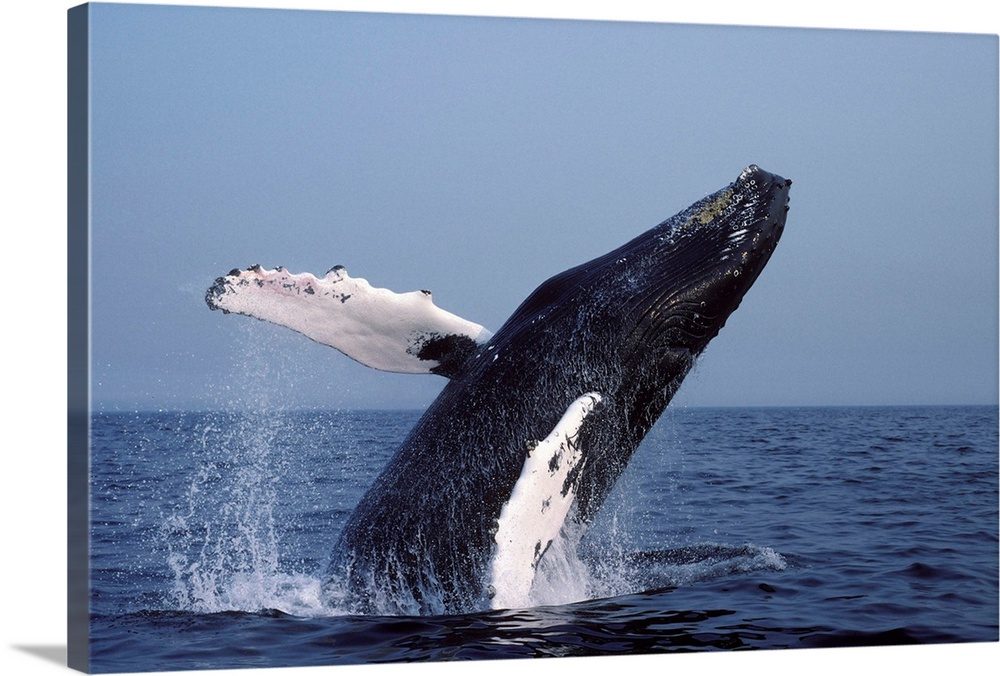
Humpback whales frequent these waters to forage on sand lance, herring, and mackerel. Their presence is a primary focus for researchers studying whale migration and social behaviors.
Critical habitat for endangered right whales
The sanctuary provides essential habitat for the North Atlantic right whale, one of the most endangered large whale species in the world. Federal regulations are in place to minimize vessel strikes and entanglement risks for these animals.
Diverse marine life including multiple shark species
Beyond whales, the sanctuary hosts various shark species, including great whites, porbeagles, and basking sharks. The area serves as a biodiversity hotspot for both pelagic and benthic organisms.
Glacial origins of the bank
Stellwagen Bank is a submerged plateau formed by glacial deposits during the last ice age. The shallow, nutrient-rich waters over the bank promote high levels of biological productivity.
Sanctuary supports ongoing scientific research
The National Oceanic and Atmospheric Administration manages the site to facilitate scientific monitoring and education. Long-term studies here provide data on ocean health, climate change impacts, and marine mammal populations.
Check availability
Frequently asked questions about cape cod whale watching prices
Everything you need to know about cape cod whale watching prices