

Quick answer
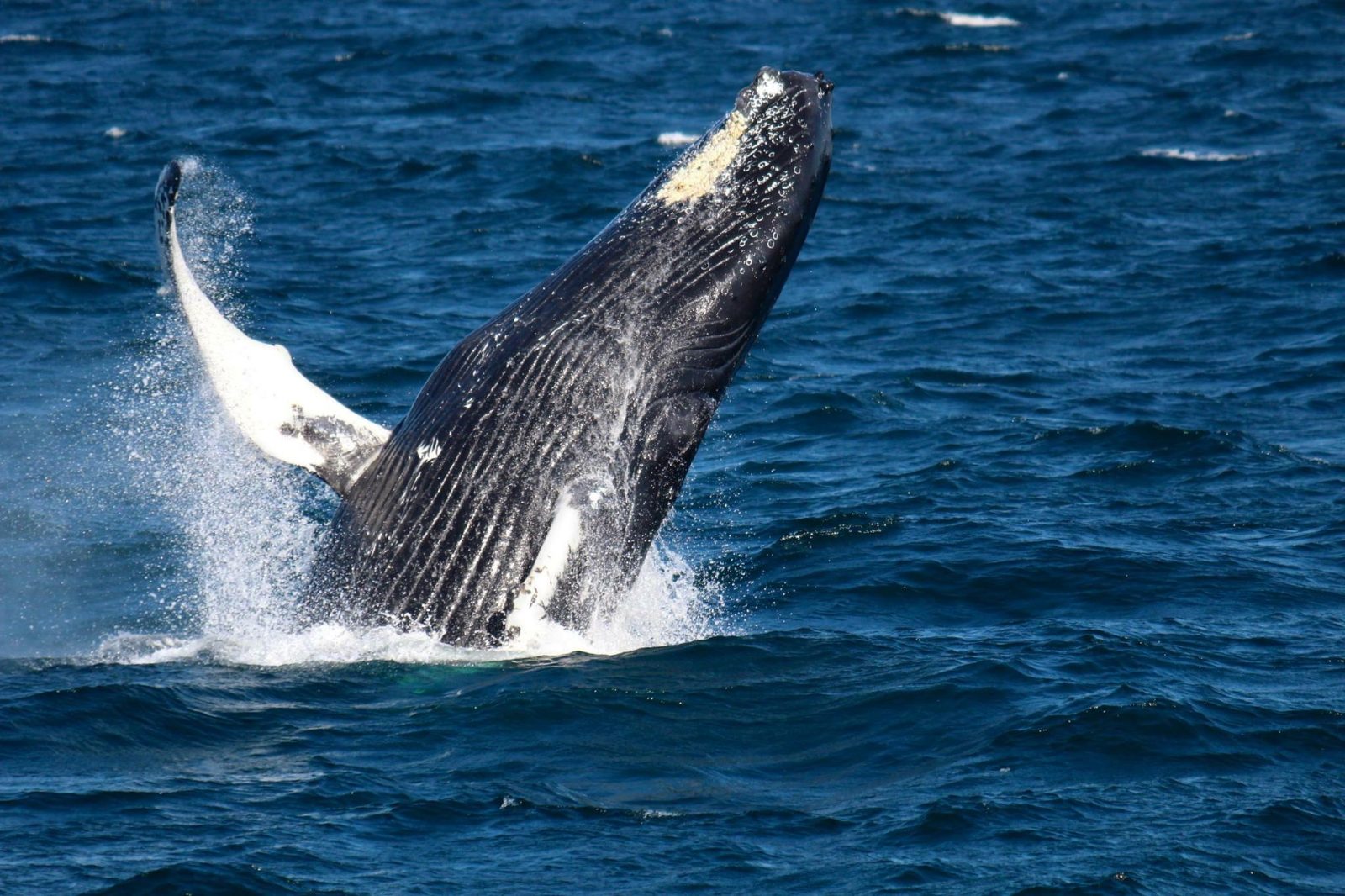
The cape cod whale watching best time spans mid-April through late October, when humpback whales feed intensively over Stellwagen Bank's shallow waters. Peak season runs May through September, with the highest whale counts recorded in late spring and early autumn. May offers newly arrived whales and manageable crowds, while September combines optimal sea conditions with active feeding behavior as whales prepare for their Caribbean migration. Morning departures between 06:00 and 12:00 generally yield calmer seas and better visibility.
Humpback whales return to Stellwagen Bank each spring following sand lance and herring migrations northward from Caribbean breeding grounds. Surface water temperature crossing 50°F in mid-April triggers the arrival of scout whales, with the bulk of the population establishing feeding territories by early May. The sanctuary's bathymetry—a glacial moraine rising to within 100 feet of the surface—creates upwelling zones that concentrate prey, making these waters among the most reliable whale-watching destinations on the eastern seaboard. The cape cod whale watching best time guide hinges on understanding three overlapping factors: whale population density, weather stability, and visitor volume. May and early June deliver newly arrived whales exhibiting energetic surface behavior as they reestablish feeding patterns, while water temperatures remain cool enough to suppress the fog that plagues July and August. Midsummer brings peak whale numbers but also thick maritime fog, afternoon sea breezes that roughen surface conditions, and crowded departure slots from Provincetown and Plymouth harbors. July and August see the highest concentration of mothers with calves, offering dramatic close encounters but requiring patience with weather delays. September stands out as the optimal window for experienced whale watchers. Humpbacks intensify feeding activity in preparation for southward migration, often executing cooperative bubble-net feeding visible from tour vessels. Sea surface temperatures moderate, reducing fog frequency while Atlantic storm tracks remain south of Cape Cod. Fin whales and minke whales join humpbacks over the bank, increasing species diversity. By mid-October, whale numbers begin declining as animals depart for warmer latitudes, though sightings remain common through the month. The cape cod whale watching best time ultimately depends on whether you prioritize guaranteed sightings, calm seas, or observing specific behaviors—but the May and September shoulders consistently deliver the strongest combination of all three factors.
“September stands out as the optimal window for experienced whale watchers, when humpbacks intensify feeding activity in preparation for southward migration.”
Cape Cod Whale Watching Best Time: Seasonal and Daily Guidance
The peak season for whale watching in the Stellwagen Bank National Marine Sanctuary extends from mid-April through October when humpback, fin, and minke whales frequent the region. Early morning departures are consistently preferred to minimize sea surface chop and maximize visibility.
Spring (April-May)
Moderate crowdsCool, 45-60°F; calmer water
Migrating whales arrive to feed on sand lance and herring.
Summer (June-August)
High crowdsWarm, 65-80°F; occasionally breezy
Peak activity with juvenile whales and high surface frequency.
Fall (September-October)
Moderate crowdsCool, 50-70°F; variable winds
Whales remain active as they prepare for southern migration.
Weekday mornings
Low to moderate crowds—
Lower passenger counts provide more deck space and optimal stability.
Verdict: For the most consistent conditions, plan your trip for a weekday morning between June and September.
Planning Your Cape Cod Whale Watching Best Time Itinerary
This chronological overview suits first-time visitors planning a morning whale watch excursion. The typical trip spans 3–4 hours from port departure to return.
Port Arrival and Check-In
Arrive at your departure port in Provincetown, Plymouth, or Barnstable to complete check-in, board your vessel, and secure a viewing position. Most operators recommend arriving 30–45 minutes before departure.
Transit to Stellwagen Bank
The boat travels approximately 7–12 miles offshore toward the sanctuary's feeding grounds. Crew typically provide orientation and safety briefings during this transit.
Whale Observation on the Bank
Once within the sanctuary, naturalists guide active whale watching as the vessel repositions to follow feeding or breaching activity. Humpbacks, finbacks, and minke whales frequent the shallow plateau from spring through fall.
Return Transit to Port
The captain begins the inbound journey after the observation window closes. Use this time to review photos, ask naturalists follow-up questions, or rest below deck.
Disembarkation and Debrief
The vessel docks, passengers disembark, and some operators offer species identification sheets or sighting logs. Consider visiting nearby harbor shops or grabbing lunch in town.
Reaching Stellwagen Bank During Your Cape Cod Whale Watching Best Time
Stellwagen Bank National Marine Sanctuary is an open-ocean protected area located in Massachusetts Bay. Visitors access the sanctuary exclusively via commercial whale watching vessels departing from major Cape Cod harbors.
US-6 East to Provincetown
Commercial vessel from MacMillan Pier
MA-3 North to Plymouth
Stellwagen Bank Operating Hours for Cape Cod Whale Watching Best Time
As an open-ocean protected area, the Stellwagen Bank National Marine Sanctuary remains accessible 24 hours a day. Please note that public access is managed exclusively through whale watching tour operators operating on their own specific schedules.
| monday | 00:00–23:59 | |
|---|---|---|
| tuesday | 00:00–23:59 | |
| wednesday | 00:00–23:59 | |
| thursday | 00:00–23:59 | |
| friday | 00:00–23:59 | |
| saturday | 00:00–23:59 | |
| sunday | 00:00–23:59 |
Cape Cod Whale Watching Best Time: Pre-Visit Checklist
Prepare for open-ocean conditions and marine sanctuary regulations with these essentials.
-
Book your tour operator slot online
-
Most Cape Cod operators require advance reservations, especially during peak migration months.
-
Bring layered waterproof clothing
-
Ocean temperatures remain cool year-round, and spray is common even on calm days.
-
Pack non-slip footwear and sunglasses
-
Wet decks can be slippery, and glare off the water intensifies at sea.
-
Carry motion sickness medication if needed
-
Swells in Massachusetts Bay vary unpredictably, even during optimal sighting windows.
-
Confirm departure time the day before
-
Weather and sea conditions may shift tour schedules with minimal notice.
Check availability
Frequently Asked Questions About Whale Watching Timing
Everything you need to know about cape cod whale watching best time